
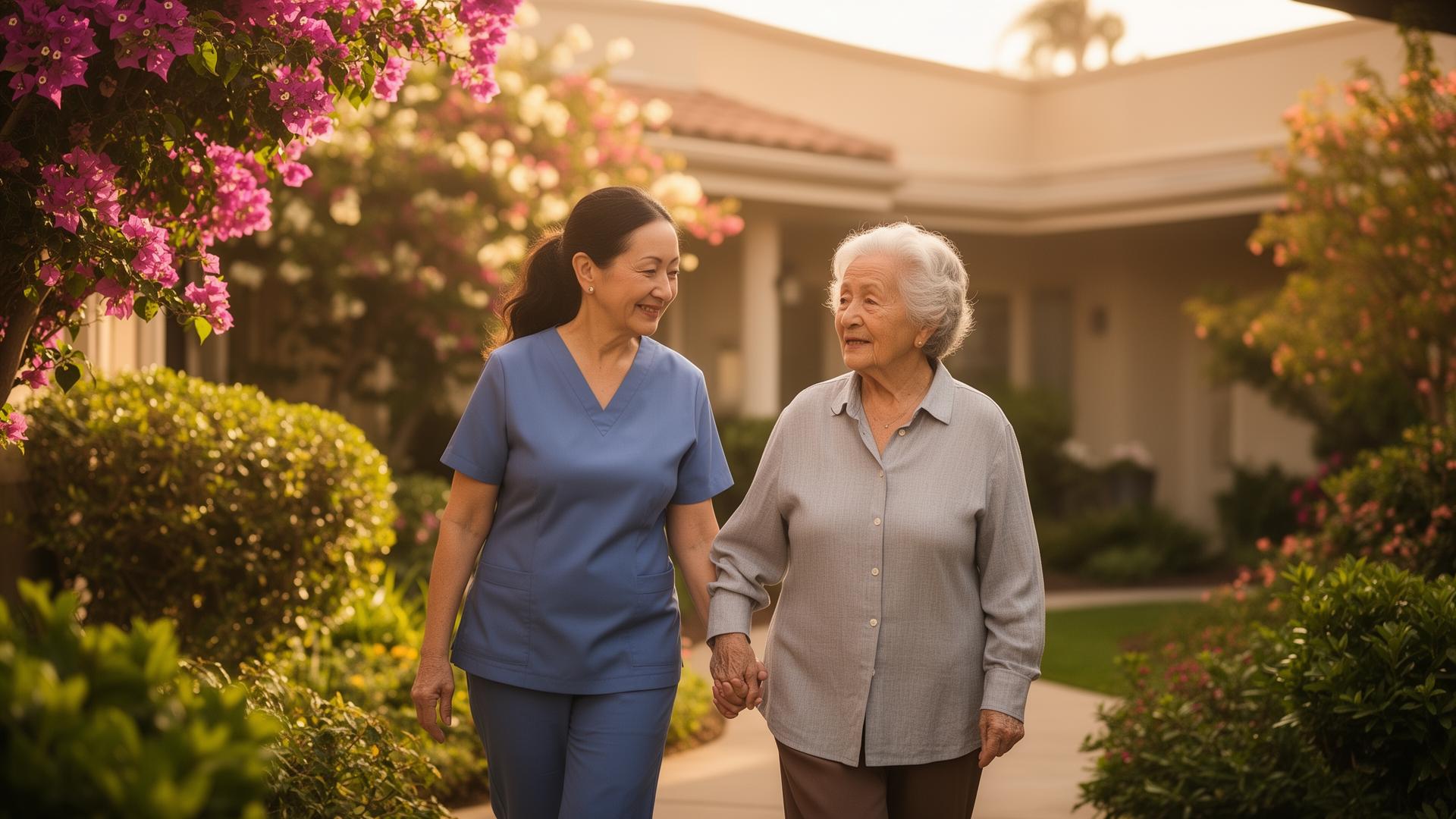
How to Find and Choose the Best Dementia Care Facilities Near You
Finding the best dementia care facilities near you requires evaluating staff training, care approaches, safety features, and amenities while comparing costs and visiting in person. Prioritize facilities that offer personalized care plans, meaningful activities, and support resources that align with your loved one's specific needs and stage of dementia progression.
Key Takeaways
- Memory care facilities vary widely in services, specialized training, and approach—understanding these differences helps you identify the best match for your loved one's needs.
- Quality verification includes checking licensing, touring facilities, observing staff interactions, and reviewing care plans to ensure personalized dementia support.
- Local support groups, community agencies, and respite care resources provide essential caregiver support and improve outcomes for both families and individuals with dementia.
- Personalized matching based on care needs, budget, location, and preferences leads to better long-term outcomes and family satisfaction.
- Combining professional facility care with in-home dementia support creates a flexible care continuum that adapts as needs change.
What Are Dementia Care Facilities Near Me and How Do They Support Loved Ones?
Dementia care facilities are specialized environments designed to support individuals experiencing cognitive decline due to Alzheimer's disease, vascular dementia, Lewy body dementia, and other forms of memory loss. These facilities provide structured, secure settings with trained staff who understand the unique behavioral, medical, and emotional needs of dementia patients. Unlike traditional assisted living, and unlike in-home memory care, memory care units feature secured entry and exit points, cognitive stimulation programs, and routines that reduce confusion and agitation.
The goal of memory care is to maintain independence and dignity for as long as possible while ensuring safety. Staff members are educated in dementia-specific communication techniques, redirection strategies, and person-centered care approaches. Many facilities offer therapeutic activities such as music therapy, reminiscence programs, and sensory stimulation tailored to different stages of dementia. When evaluating options in communities like Santa Barbara, look for facilities that emphasize consistency, small caregiver-to-resident ratios, and family involvement in care planning.
Which Types of Memory Care Facilities Are Available Locally?
The memory care landscape includes several distinct facility types, each offering different levels of support and environmental settings. Residential care homes, also known as board-and-care facilities, typically house six or fewer residents in a home-like setting with 24-hour supervision. These smaller environments often provide more personalized attention and can be less overwhelming for individuals in early to mid-stage dementia.
Dedicated memory care units within larger assisted living communities offer specialized wings with secured perimeters, dementia-trained staff, and programming designed specifically for cognitive impairment. Stand-alone memory care facilities focus exclusively on dementia care and often provide the most comprehensive dementia-specific services. For families seeking to keep loved ones at home, in-home dementia care offers one-on-one attention in familiar surroundings with caregivers trained in dementia support techniques.
- Small residential care homes (6 or fewer residents) with intimate, home-like environments
- Memory care units within assisted living communities offering specialized secured areas
- Stand-alone memory care facilities exclusively focused on dementia and Alzheimer's care
- In-home dementia care providing personalized support in familiar settings
How to Verify the Quality and Services of Nearby Dementia Care Facilities
Quality verification begins with confirming that facilities hold proper California licensure and reviewing their inspection records through the California Department of Social Services Community Care Licensing Division. Check for patterns of violations, particularly those related to staffing, safety, or care practices. Additionally, review online ratings and testimonials from current and former families, while recognizing that every care situation is unique.
Schedule unannounced visits to observe daily operations, staff-resident interactions, cleanliness, and the general atmosphere. Pay attention to how staff members communicate with residents—do they use respectful, patient tones? Are residents engaged in activities or sitting idly? Ask about staff training requirements, turnover rates, and how the facility handles medical emergencies or behavioral challenges. Request to review a sample care plan to understand how the facility personalizes care and documents progress.
- Verify California HCO licensing and review inspection histories for compliance patterns
- Conduct both scheduled and unannounced facility visits to observe authentic care environments
- Ask specific questions about staff-to-resident ratios, training protocols, and emergency procedures
- Request sample care plans and activity calendars to assess personalization and engagement
- Speak directly with families of current residents to gather candid insights about their experiences
How Can I Compare Memory Care Services to Find the Best Fit?
Comparing memory care services requires a systematic approach that weighs multiple factors against your loved one's specific needs, preferences, and stage of dementia. Create a comparison matrix that includes care philosophy, staff qualifications, safety features, activities programming, medical support, and cost. Not all facilities are equipped to handle advanced behavioral symptoms or end-stage dementia care, so understanding the scope of services is essential.
Consider the facility's approach to care—does it emphasize person-centered practices that honor individual history and preferences? Evaluate how the environment supports wayfinding and reduces confusion through design elements like color-coded hallways, circular walking paths, and familiar home-like spaces. Ask about partnerships with hospice providers, physical therapists, and memory care specialists who can offer additional layers of support as needs evolve.
What Criteria Should I Use to Compare Memory Care Options?
Begin with safety and security features, including secured perimeters, wandering prevention systems, and emergency response protocols. Assess staff qualifications by asking about dementia-specific training, continuing education requirements, and whether the facility employs or consults with geriatric specialists or neurologists. Examine the daily structure—consistent routines are critical for reducing anxiety and confusion in dementia patients.
Evaluate the quality and variety of activities offered. Meaningful engagement slows cognitive decline and improves quality of life. Look for programs that incorporate music, art, physical movement, reminiscence therapy, and sensory stimulation. Consider proximity to family members, as frequent visits significantly impact emotional well-being and allow families to monitor care quality. Finally, assess how the facility communicates with families—regular updates, transparent reporting, and family care conferences demonstrate a commitment to partnership.
How Do Costs and Amenities Vary Among Memory Care Services?
Memory care costs in coastal California communities typically range from $5,000 to $10,000 or more per month, depending on facility type, location, level of care required, and amenities included. Smaller residential care homes may cost less than large luxury memory care communities, but pricing structures vary widely. Understand exactly what is included in the base rate versus what incurs additional fees—medication management, incontinence care, specialized therapies, and behavioral support may carry extra charges.
Amenities can significantly impact cost and quality of life. Higher-end facilities may offer restaurant-style dining, beautifully landscaped outdoor spaces, spa services, and enrichment programs. However, the most important consideration is the quality of direct care and staff engagement, not the elegance of furnishings. For families seeking more affordable options with personalized attention, in-home dementia care can provide comparable or superior support at a lower cost, particularly in early to mid-stage dementia when 24-hour facility-level supervision is not yet necessary.
Where Can I Find the Best Dementia Support Groups in My Area?
Local dementia support groups provide invaluable emotional support, practical advice, and connection with others navigating similar challenges. The Alzheimer's Association offers numerous support groups throughout Santa Barbara and Ventura counties, including caregiver-specific groups, early-stage patient and partner groups, and specialized groups for adult children. Hospitals, senior centers, and faith communities also frequently host dementia caregiver support meetings.
Area agencies on aging and family caregiver resource centers provide lists of local support groups, educational workshops, and respite care resources. Many groups meet monthly and are facilitated by trained social workers or experienced caregivers. Ask your loved one's physician or memory care facility for recommendations, as they often maintain updated lists of community resources. Online directories from organizations like the Alzheimer's Association and local councils on aging offer searchable databases of support services.
What Types of Support Groups Are Available for Dementia Caregivers and Families?
Support groups are tailored to address the diverse needs of dementia caregivers and families at different stages of the journey. General caregiver support groups welcome anyone caring for someone with dementia and provide a space to share experiences, coping strategies, and resources. Early-stage support groups bring together individuals newly diagnosed with dementia and their care partners to discuss adjusting to the diagnosis and planning for the future.
Specialized groups focus on specific dementia types (Alzheimer's, Lewy body, frontotemporal dementia), relationship roles (spouse caregivers versus adult children), cultural communities, or grief and bereavement. Some groups are educational, featuring expert speakers on topics like legal planning, behavior management, or communication techniques. Others are purely peer-led, emphasizing shared experience and emotional support. Many caregivers benefit from participating in multiple types of groups as their needs evolve.
How Do Local and Online Support Groups Differ in Benefits and Access?
Local in-person support groups offer face-to-face connection, the opportunity to build lasting friendships, and immediate emotional support from others in your community. The physical presence of others who understand your challenges creates powerful validation and reduces the isolation many dementia caregivers experience. In-person groups also facilitate informal networking and resource sharing about local services, providers, and facilities.
Online support groups provide unmatched convenience and accessibility, particularly for caregivers who cannot leave their loved one or who live in rural areas. Virtual groups often meet more frequently and at varied times to accommodate different schedules. Online forums and social media groups allow caregivers to connect instantly when facing a crisis or question. However, online interactions may lack the depth and accountability of in-person relationships. Many caregivers find that combining both formats provides the most comprehensive support network.
What Local Memory Care Resources Are Essential for Dementia Care?
Essential local resources extend far beyond care facilities to include a network of community services that support the entire family. Adult day programs provide structured activities and supervision for individuals with dementia while giving caregivers respite. These programs often include meals, cognitive stimulation, social engagement, and health monitoring. Transportation services help families maintain medical appointments and social connections when driving becomes unsafe.
Memory care clinics and geriatric specialists provide diagnostic services, treatment planning, and ongoing medical management. Local councils on aging and family caregiver resource centers offer care consultations, caregiver education, support group listings, and connections to financial assistance programs. Respite care services, both in-home and facility-based, allow caregivers essential breaks to prevent burnout. For comprehensive in-home support, agencies specializing in dementia care deliver personalized assistance that enables individuals to remain in familiar environments longer.
Which Community Services and Agencies Provide Support for Dementia Care?
Area Agencies on Aging (AAAs) serve as central hubs for aging and dementia care resources, offering information and referral services, caregiver support programs, and connections to local providers. In California, the California Department of Aging oversees a network of AAAs that provide services including needs assessments, care planning assistance, and links to financial support programs. The Alzheimer's Association operates a 24/7 helpline and offers care consultations, educational programs, and support group facilitation.
Local hospitals often have geriatric care managers or social workers who specialize in dementia care transitions and community resources. Senior centers provide socialization opportunities, educational workshops, and sometimes specialized dementia-friendly programming. Faith-based organizations frequently offer volunteer visitor programs, meal delivery, and caregiver respite. Veterans Affairs provides comprehensive dementia care services and caregiver support for eligible veterans and their families. Leveraging this network of agencies ensures families access the full spectrum of available support.
How Can Legal, Financial, and Respite Care Resources Help Families?
Legal planning is critical early in the dementia journey while the individual can still participate in decision-making. Elder law attorneys help families establish durable powers of attorney, advance healthcare directives, trusts, and guardianship if needed. These legal tools ensure that someone can manage finances, make healthcare decisions, and protect assets as dementia progresses. Many communities offer low-cost legal clinics through senior centers or bar associations.
Financial resources include long-term care insurance, veterans benefits, Medi-Cal (California's Medicaid program), and sometimes reverse mortgages or life insurance conversions. A geriatric care manager or elder law attorney can help navigate these complex systems and identify all available assistance. Respite care—whether in-home, adult day programs, or short-term facility stays—provides caregivers necessary breaks to maintain their own health and well-being. Regular respite prevents caregiver burnout and allows families to sustain care at home longer, often delaying or preventing facility placement.
How Can Dementia Caregiver Support Improve Care and Well-Being?
Caregiver support directly impacts both the quality of care provided and the health of the caregiver. Dementia caregiving is physically, emotionally, and mentally exhausting—caregivers who do not receive adequate support experience higher rates of depression, anxiety, chronic illness, and even mortality. Support services provide caregivers with knowledge, skills, coping strategies, and respite that enable them to continue providing care while maintaining their own well-being.
Education about dementia progression, behavior management, and communication techniques reduces caregiver stress and improves interactions with loved ones. Support groups offer validation, reduce isolation, and provide practical problem-solving from others who understand the unique challenges. Respite care allows caregivers to rest, attend to personal health needs, and maintain relationships outside of caregiving. Comprehensive dementia care agencies offer caregiver coaching, educational materials, and personalized strategies that empower families throughout the care journey.
What Are Effective Strategies for Managing Challenging Dementia Behaviors?
Managing challenging behaviors begins with understanding that behaviors are communication—individuals with dementia often cannot express discomfort, fear, boredom, or confusion in words, so they express these feelings through behaviors. Common challenges include agitation, aggression, wandering, sundowning, repetitive questions, and resistance to care. Effective management starts with identifying triggers such as overstimulation, pain, hunger, fatigue, or changes in routine.
Strategies include maintaining consistent daily routines, simplifying the environment to reduce confusion, using calm reassuring communication, redirecting attention rather than confronting, and ensuring basic needs are met. Music therapy, gentle physical activity, and meaningful engagement reduce behavioral symptoms. When behaviors escalate, step back and give space rather than arguing or restraining. Document patterns to identify triggers and successful interventions. Consult with physicians to rule out medical causes like infections, medication side effects, or pain. Professional dementia caregivers trained in these techniques can significantly reduce behavioral challenges and improve quality of life.
How Can Caregivers Access Educational Materials and Self-Care Resources?
Educational materials are available through multiple channels, starting with the Alzheimer's Association, which offers extensive online resources, printed guides, webinars, and in-person educational programs on topics ranging from understanding dementia to legal planning to end-of-life care. Many local hospitals and senior centers host free dementia care workshops and caregiver education series. Comprehensive dementia care guides provide step-by-step information tailored to families navigating care decisions.
Self-care resources include respite care services that allow caregivers time for rest, exercise, social connections, and personal healthcare appointments. Mental health support through counseling or therapy addresses the emotional toll of caregiving. Online and in-person support groups provide both education and emotional support. Caregiver-focused websites, podcasts, and books offer strategies for managing stress, setting boundaries, and maintaining identity beyond the caregiver role. Remember that prioritizing self-care is not selfish—it is essential for sustaining the ability to provide quality care.
How Does Personalized Matching Help Find the Right Local Memory Care Facility?
Personalized matching goes beyond generic facility searches by carefully assessing your loved one's specific needs, preferences, stage of dementia, behavioral challenges, medical conditions, and family priorities. This detailed assessment is then matched against the specialized capabilities, care approaches, and environments of local facilities. The result is a curated shortlist of options most likely to provide appropriate, high-quality care rather than an overwhelming list of every facility in the area.
Professional care consultants understand the nuances of different facilities—their strengths, limitations, care philosophies, and cultural environments—information that is not readily apparent from websites or brochures. They can identify which facilities excel with specific dementia types or behavioral challenges and which environments align with your loved one's personality and history. This targeted approach saves families significant time and emotional energy while increasing the likelihood of finding the right fit the first time, avoiding costly and disruptive moves.
What Information Is Needed for Personalized Memory Care Matching?
Effective matching requires comprehensive information about your loved one's current situation and your family's needs and constraints. Key information includes the type and stage of dementia, cognitive and physical abilities, medical conditions and medication regimen, behavioral symptoms or challenges, and mobility level. Personal preferences regarding environment, activities, social engagement, and daily routines help identify compatible facilities.
Family considerations include budget and payment sources, preferred geographic location and proximity to family members, desired level of medical support, and priorities regarding facility size, philosophy, and amenities. Information about care goals—whether focused on safety and supervision, maximizing independence, specialized behavioral support, or end-of-life care—helps narrow options. The more detailed and honest the assessment, the more effectively a care consultant can match families with appropriate facilities and care options, including in-home alternatives when suitable.
How Does Matching Improve Outcomes for Dementia Patients and Families?
Thoughtful matching significantly improves both patient quality of life and family satisfaction by ensuring the care environment aligns with the individual's needs and preferences. When individuals with dementia are placed in appropriate environments with adequately trained staff and suitable programming, they experience less anxiety, fewer behavioral symptoms, better physical health, and greater engagement. Poor matches result in increased agitation, medication use, family dissatisfaction, and often costly facility transfers that are disruptive and distressing.
For families, effective matching reduces the stress of searching, provides confidence in care decisions, and establishes partnerships with providers who understand their loved one's unique needs. Good matches support family involvement and communication, creating a care team approach rather than an adversarial relationship. Ultimately, personalized matching honors the individual's dignity and personhood while supporting families through one of life's most challenging transitions. Whether the best match is a specialized facility or personalized in-home dementia care, the right fit transforms the care experience for everyone involved.
Frequently Asked Questions
Related Resources
Care Near You
Have Questions We Haven't Answered?
Our team is happy to discuss your specific situation — no pressure, just clarity.
Talk to Our Team